
In summary
Buying a water softener is not simply a matter of choosing the first system that fits your budget. The right system must suit your water hardness, household size, plumbing, pressure, available space and typical use, with clear information about salt, regeneration, installation and support.
Hard water carries calcium and magnesium minerals that leave limescale behind in boilers, kettles, taps and pipework. It can also make soaps and detergents harder to lather and rinse away. Before comparing models, use the Culligan Harvey water hardness checker to understand the water coming into your home.
Use the following 12 questions as a practical checklist. They will help you compare a twin-tank water softener, a non-electric water softener and other whole-house options on the details that affect everyday performance.
1. Is it a single-tank or twin-tank water softener?
A water softener has to soften water and periodically regenerate, which cleans and recharges the resin inside the system. The key question is what happens to your household supply while that regeneration takes place.
A twin-tank or twin-cylinder design allows one cylinder to remain in service while the other regenerates. This is how Culligan Harvey systems provide softened water around the clock. The twin-cylinder design used by Culligan Harvey is particularly useful in busy homes where showers, taps and appliances may be used at different times throughout the day.
2. Does the system need electricity?
Electricity is not inherently a disadvantage, but it changes where a system can be installed and how its controls work. An electric softener usually needs a nearby mains socket for its timer, meter or control board. A non-electric water softener uses incoming water pressure to operate the core softening mechanism.
Culligan Harvey softeners are non-electric and regenerate according to measured water use rather than relying on a fixed electrical timer. This avoids the need to position the unit beside a plug socket and reduces setup complexity. It also means the core softening process does not depend on a mains-powered control board.
Ask whether “non-electric” applies to the whole product or only the softening mechanism. For example, the HarveyArc water softener is non-electric at its core, while its optional connected salt-monitoring features use separate technology.
3. What flow rate does my home need?
Flow rate is the volume of water that can pass through the softener in a given time. It matters when several outlets run together, such as two morning showers or a shower while the washing machine fills.
Tell the supplier your bathroom count, household size and whether you use a combi boiler, unvented cylinder or other high-demand plumbing. Ask for the model’s published peak flow rate, minimum working pressure and maximum working pressure. A vague assurance that a system is “suitable for families” is not a substitute for specifications.
The HarveyArc has a peak flow rate of 56 litres per minute and is designed for homes with up to three bathrooms. Larger homes may need a higher-capacity model. The best water softener for a UK home is one sized for its actual peak demand, not simply the largest or smallest unit in a range.
4. Will it affect my shower pressure?
Flow and pressure are related, but they are not the same. Pressure pushes water through the pipework, while flow describes how much water reaches the outlet. An undersized or unsuitable component can restrict performance.
Instead of accepting a simple yes or no, ask the installer to assess the property. They should confirm the dynamic water pressure, the softener’s working pressure range, the expected flow at peak demand and whether the existing pipework or valves create restrictions. In higher-pressure homes, they may recommend a pressure-reducing valve to protect the softener and other fittings.
5. Will it fit under my kitchen sink?
A whole-house water softener does not necessarily need a large utility room. Compact models can often be installed in a kitchen cupboard near the incoming mains supply, but “fits under the sink” should never be treated as a universal guarantee.
Measure the available height, width and depth, then account for the pipework, bypass valve, drain connection and the space needed to add salt. The HarveyArc is designed to fit beneath most kitchen sinks, subject to the cupboard and plumbing layout.
Ask for a professional survey before committing to a model. An installer may find that another cupboard, a utility space or a different model gives you better access and a cleaner installation. The aim is not only to make the softener fit on installation day, but to leave enough room for easy salt loading and future service access.
6. What type of salt does it use?
Salt regenerates the resin that captures calcium and magnesium. Different water softeners may use block salt, curved blocks, tablets or granular salt, so ask which format the model requires and how easy it will be to buy, carry, store and load.
The HarveyArc uses compact Mini Curve Salt blocks designed to be easier to handle than large salt bags. Other models may use a different format, so check the exact product.
Ask how much salt the unit uses per regeneration and how often a household like yours is likely to refill it. Water hardness and consumption affect the answer. You should also confirm the required salt grade and whether using another product could affect performance or warranty cover.
7. How does the system know when to regenerate?
Regeneration should happen when the resin needs to be recharged, not simply because a date appears on a timer. A demand-based or metered system tracks water use and regenerates according to consumption and the hardness setting. A traditional timed system follows a schedule, so you should ask whether it can regenerate before the available capacity has been fully used.
Culligan Harvey’s mechanical metering system measures the water passing through the softener and triggers regeneration as required. The twin-cylinder design means one cylinder can regenerate while the other continues softening, avoiding an interruption to the softened supply.
8. What are the ongoing running costs?
The purchase price is only one part of the water softener system cost. A realistic comparison should include installation, salt, water used during regeneration, electricity where required, servicing, filters or accessories, warranty exclusions and any optional care-plan payments.
Running costs vary with water hardness, household size and usage. A family of five in a very hard water area will not refill salt at the same rate as a couple with lower consumption. Ask the supplier to explain its assumptions rather than quoting a universal monthly figure that may not reflect your home.
Culligan Harvey offers personalised quotes and several payment options for water softeners. When reviewing a quote, separate the equipment and installation cost from optional services so you can see exactly what is included. It is also worth considering the wider benefits of softened water around the home, including less limescale and easier lathering, without assuming that every household will achieve the same financial savings.
9. Can I safely drink softened water?
Ion-exchange softeners replace calcium and magnesium with sodium, so the drinking-water arrangement must be discussed during the survey. Many UK installations therefore include a separate unsoftened drinking-water outlet. This can be a dedicated tap or an arrangement that keeps the kitchen cold tap on the unsoftened supply. It is especially relevant for babies and people following a medically advised low-sodium diet.
Ask the installer what is recommended for your water hardness and household. Do not rely on a single hardness threshold quoted without context, because the sodium added depends on the amount of hardness removed. A proper installation should give you softened water where it is useful and a suitable unsoftened supply for drinking and cooking.
10. Was it designed for UK homes and water conditions?
UK properties vary considerably, from compact flats with limited cupboard space to large homes with several bathrooms. Plumbing layouts, mains pressure and water hardness also differ by region. A suitable system should have published dimensions and operating limits that allow an installer to confirm compatibility.
Ask where the softener was designed and manufactured, which boiler and hot-water arrangements it supports and whether the installer uses suitable approved components. Culligan Harvey manufactures its household softeners in Britain and its qualified plumbers install them using WRAS-approved parts.
Correct installation remains essential. Ask who will carry out the work, whether they have model-specific training and how the system will be commissioned for your local hardness.
11. What warranty and service support is included?
Read the warranty rather than relying on the number of years in a headline. Ask whether it covers parts and labour, when the cover starts, where it applies, what maintenance is required and whether the use of unapproved salt or an unsuitable installation could invalidate it.
The HarveyArc comes with a three-year manufacturer’s warranty covering parts and labour, subject to its terms. Culligan Harvey also offers optional service and ArcCare plans for eligible customers. These plans are separate from the manufacturer’s warranty and your statutory rights, so compare the included services, monthly charge, eligibility rules and exclusions before adding one.
Support is more than a warranty document. Ask who you contact for salt-ordering help, connected-app support, servicing or an engineer visit. A supplier with clear installation and aftercare routes can make ownership much simpler than a product sold without an obvious service network.
12. Can I take it with me if I move?
A water softener may be removable and reinstallable, but you should not assume it will suit the next property. It needs to be professionally disconnected, and the new home must have suitable pressure, flow, plumbing, drainage and installation space.
Ask about relocation before you buy. Confirm whether removal and reinstallation are offered, what work is excluded and whether moving the unit affects the warranty or any service plan. If your current installation includes new pipework or a separate drinking-water tap, you should also ask what will remain with the property.
Suitability must be reassessed at the new address. A model chosen for a one-bathroom flat may not meet a larger home’s peak demand, while a high-capacity unit may not fit.
Choose a water softener with clear answers
The best water softener for your home is not determined by one feature. It is the system that can meet your peak water demand, fit the available space, regenerate efficiently and come with an installation and support plan you understand.
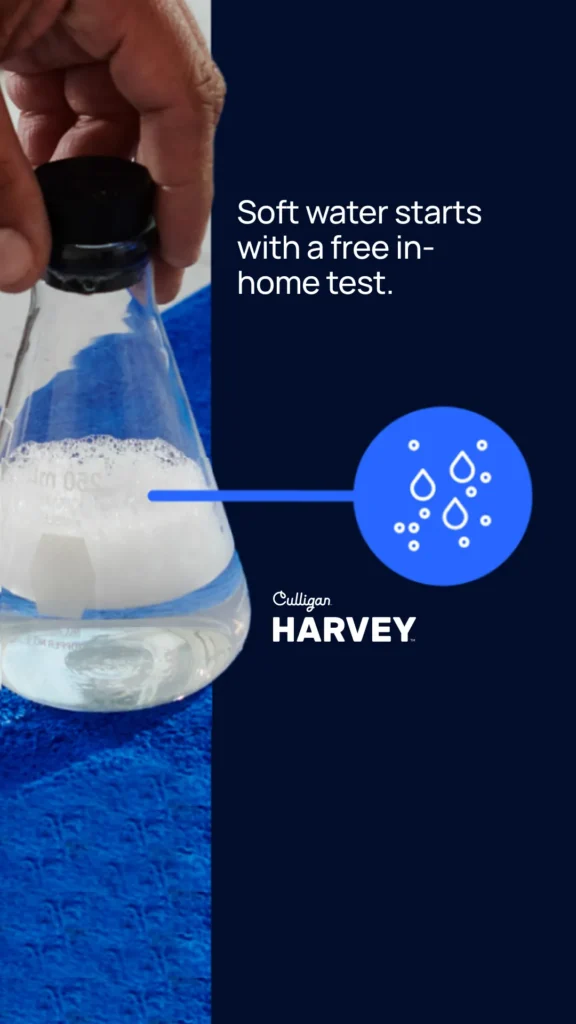
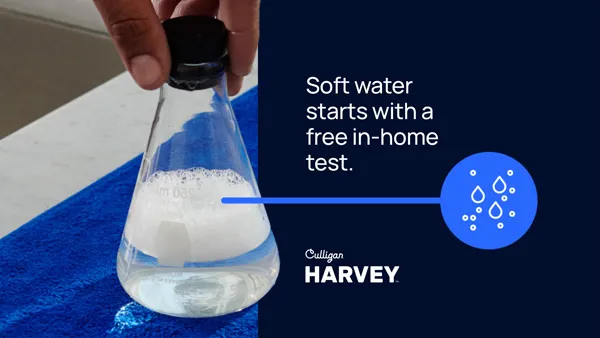
A Culligan Harvey specialist can test your water, assess the plumbing and demonstrate the difference between hard and softened water. Book a free home demonstration to ask the questions above in the context of your property, or request a personalised water softener quote when you are ready to compare the complete cost and installation plan.